

When I tell people that Factofly expanded to Germany, the reaction is often mixed.
Some are curious. Others raise an eyebrow. Germany is known for detailed regulation, formal processes, and a tax system that leaves little room for improvisation. From the outside, it can seem like an unlikely place to launch a model built around project-based work.
For us, it was a deliberate choice.
Factofly began in Denmark. There, we saw a recurring pattern: independent professionals were spending significant time on invoicing, tax reporting, and insurance questions. The work itself was not the problem. The administrative layer around it was.
The Danish setup allowed us to test whether project-based work could run within an employment framework that handled payroll, tax withholding, and documentation in a structured way. Once that model was stable, the next question was where similar structural friction existed.
Germany stood out quickly.
It has one of the largest freelance markets in Europe. Cities like Berlin host tens of thousands of independent professionals across design, media, technology, consulting, and production. Demand for their work is strong. The constraint is often administrative complexity rather than lack of opportunity.
Freelancers in Germany navigate VAT (Umsatzsteuer) filings, income tax prepayments (Vorauszahlungen), classification questions around Scheinselbständigkeit, KSK membership, and formal communication with the Finanzamt. Registration processes such as obtaining a Steuernummer can delay initial billing. Certificates like the Freistellungsbescheinigung require monitoring and renewal. Each element is manageable on its own. Together, they create a dense framework around independent work.
Companies face their own layer of caution. HR and finance departments review contractor status carefully. Questions around classification and social contributions influence procurement decisions. As a result, collaboration between companies and freelancers often requires additional documentation and internal review.
From a structural perspective, Germany is not lacking in talent or demand. It is operating within a regulatory environment that expects clarity and formal allocation of responsibility.
That environment is precisely where a defined employment framework becomes relevant.
Project-based work can run through an employment structure in which payroll, tax withholding, and social contributions are processed within the system. The independent professional continues to define scope and negotiate terms directly with the client. The difference lies in how the formal relationship is organised.
That is the space in which Factofly operates in Germany.
Expanding here was less about entering a large market and more about working in a system where administrative friction has tangible impact on how independent professionals build their careers.
Germany’s regulatory landscape is unlikely to simplify quickly. But it does reward clear structures. For us, that made it a logical next step rather than a surprising one.
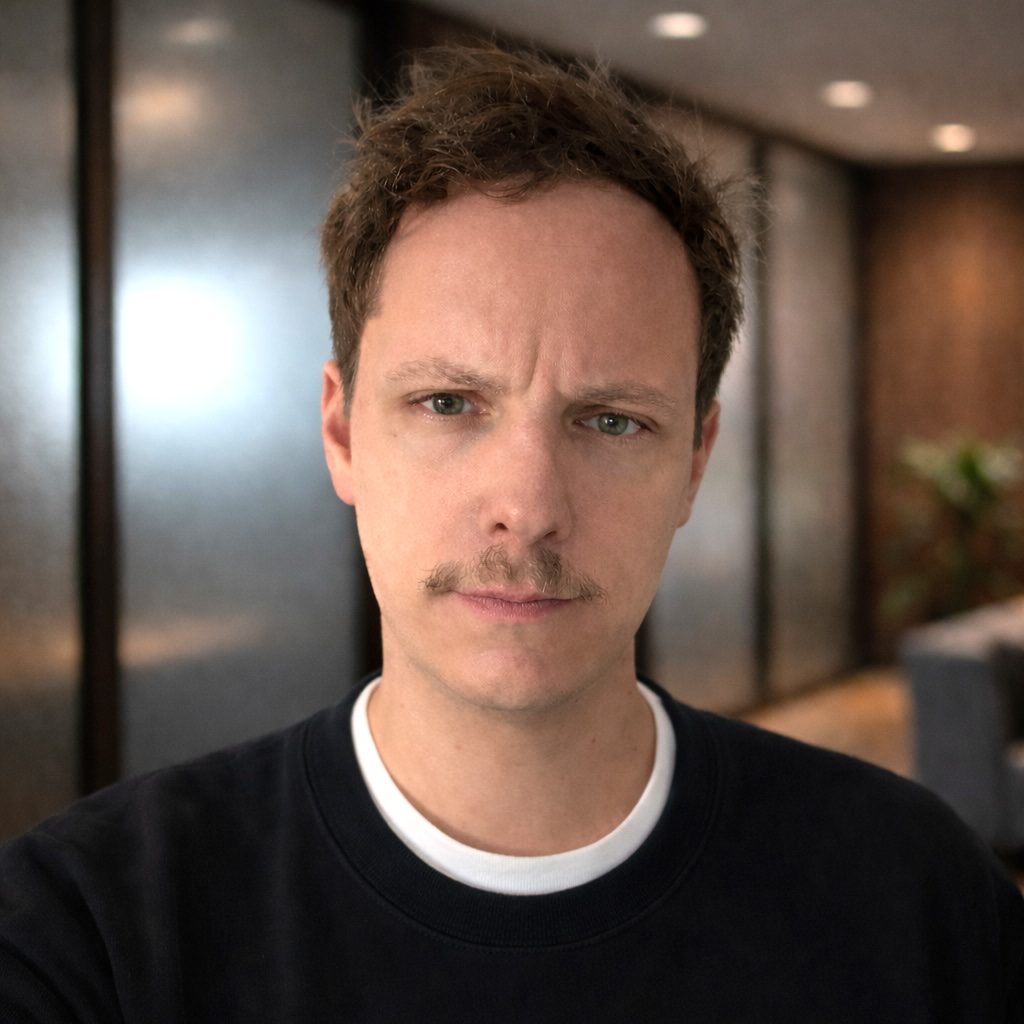
Leo is our Director for Germany. He has over 15 years of experience working with and within companies such as HERE, Babbel, Flink and Microsoft.
At Factofly, he focuses on building legally sound structures for project-based work in Germany.
When I tell people that Factofly expanded to Germany, the reaction is often mixed.
Some are curious. Others raise an eyebrow. Germany is known for detailed regulation, formal processes, and a tax system that leaves little room for improvisation. From the outside, it can seem like an unlikely place to launch a model built around project-based work.
For us, it was a deliberate choice.
Factofly began in Denmark. There, we saw a recurring pattern: independent professionals were spending significant time on invoicing, tax reporting, and insurance questions. The work itself was not the problem. The administrative layer around it was.
The Danish setup allowed us to test whether project-based work could run within an employment framework that handled payroll, tax withholding, and documentation in a structured way. Once that model was stable, the next question was where similar structural friction existed.
Germany stood out quickly.
It has one of the largest freelance markets in Europe. Cities like Berlin host tens of thousands of independent professionals across design, media, technology, consulting, and production. Demand for their work is strong. The constraint is often administrative complexity rather than lack of opportunity.
Freelancers in Germany navigate VAT (Umsatzsteuer) filings, income tax prepayments (Vorauszahlungen), classification questions around Scheinselbständigkeit, KSK membership, and formal communication with the Finanzamt. Registration processes such as obtaining a Steuernummer can delay initial billing. Certificates like the Freistellungsbescheinigung require monitoring and renewal. Each element is manageable on its own. Together, they create a dense framework around independent work.
Companies face their own layer of caution. HR and finance departments review contractor status carefully. Questions around classification and social contributions influence procurement decisions. As a result, collaboration between companies and freelancers often requires additional documentation and internal review.
From a structural perspective, Germany is not lacking in talent or demand. It is operating within a regulatory environment that expects clarity and formal allocation of responsibility.
That environment is precisely where a defined employment framework becomes relevant.
Project-based work can run through an employment structure in which payroll, tax withholding, and social contributions are processed within the system. The independent professional continues to define scope and negotiate terms directly with the client. The difference lies in how the formal relationship is organised.
That is the space in which Factofly operates in Germany.
Expanding here was less about entering a large market and more about working in a system where administrative friction has tangible impact on how independent professionals build their careers.
Germany’s regulatory landscape is unlikely to simplify quickly. But it does reward clear structures. For us, that made it a logical next step rather than a surprising one.
Leo is our Director for Germany. He has over 15 years of experience working with and within companies such as HERE, Babbel, Flink and Microsoft.
At Factofly, he focuses on building legally sound structures for project-based work in Germany.